Krista Carson writes poetry, creative nonfiction, and fiction. She is completing doctoral studies at the University of Gloucestershire, where she explores the role of walking in creative writing practice. Krista teaches at the college level and lives in London, Ontario with her husband, daughter, whippet, and cat.
I was introduced to the work of Canadian painter Florence Carlyle in 2019 on my first visit to the Woodstock Art Gallery. I was leaving the main floor exhibit when I came face to face with a panel displaying a photo of a painting of a Victorian woman lounging on a settee. The text on the panel above the photo asked, Where have all the Carlyles Gone? That was my first encounter with Florence Carlyle.
Florence Emily Carlyle, who I have come to affectionately call Flo, was born in Galt, Ontario, on September 24, 1864—a hundred years before me—and moved to Woodstock, Ontario, when she was just seven. Her family relocated there because her father was appointed inspector of schools for Oxford County. Her mother, Emily Jane Carlyle, had been a teacher and principal in North Carolina just before the outbreak of the American Civil War. She was determined that both her sons and daughters would be educated. She also recognized her daughter’s artistic talent early. Carlyle attended school in Woodstock and studied art in local programs and with private tutors. She would be among the first cohorts of female artists to study in Paris, France, in the late nineteenth century and would find acclaim as one of Canada’s leading female artists.
As a student of Japanese form poetry, I decided to celebrate National Poetry Month in 2023 by writing a haiku (nature poem) or senryu (human nature poem) each day as practice. I also decided to write ekphrastically. Ekphrastic poetry is verse written in response to visual arts. I picked Florence Carlyle’s work as my inspiration. I could easily access her paintings through the gallery’s online collection portal. I remembered my earliest encounter with the artist and the question on the panel: Where have all the Carlyles Gone?
I learned that the Art Gallery of Ontario owns a famous Carlyle painting, The Tiff, which won the Ontario Society of Artists’ Annual Prize in 1902. The Art Gallery of Hamilton owns a few Carlyle pieces, as does Museum London and Western University’s McIntosh Gallery. Other galleries and private collectors throughout Canada and the world also own a few, but the bulk of Carlyle’s works belong to the Woodstock Art Gallery and were acquired through purchase, gifts, or bequests.
At the end of National Poetry Month in 2023, I submitted a proposal to the gallery to do a poetry reading in honour of the hundredth year of Carlyle’s passing. I was contacted by Mary Reid, the former director-curator of the gallery, to see if I would instead be interested in curating a poetry and art exhibit. I was thrilled at the opportunity. I worked with a poetry editor first and then with an assistant curator. I selected ten paintings with corresponding poems for the show. I was also required to write a didactic panel—a text to be displayed in a prominent location in the gallery to inform visitors of the exhibit’s context and meaning. I also designed and proofread labels with each painting’s details and its corresponding poem.
The exhibit, The Ekphrasis of Florence: Poetry in Japanese Form Inspired by the Work of Florence Carlyle, opened in July 2023. It was only as this exhibit ended that I learned my work with Florence Carlyle was not over. Within the year, I would be involved in a project that explored her writing. The exhibit was only the beginning of my collaboration with an artist born a century before me.
Emily De Angelis is a writer of fiction and poetry. Her award-winning debut young adult novel, The Stones of Burren Bay, was released with Latitude 46 Publishing in 2024. A chapbook featuring De Angelis’ poetry and the writing and paintings of renowned Canadian painter Florence Carlyle, In the Space Between: The ‘New Woman’ in the Writing of Florence Carlyle, was released with the Woodstock Art Gallery in 2024.
For weeks, the landscape has been frozen in winter’s grasp. White, blackish-green, tones of grays and browns, lifeless in colour. Our gardens lie immersed in this mysterious serenity. It has been months since they had any vitality or produced life. But they are not dead. They are quietly resting under Mother Nature’s white blanket.
All life needs a respite period. Mother Nature provides winter of reposing phase, not only for plants, and insects but also for us. Winter is a time of reflection, and planning. It teaches us to be patient, to reflect and appreciate the natural cycle of rest and renewal.
We are only aware of what we see—dead stems of last year’s flowers, mysterious tracks in the snow, chick-a-dees, juncos, sparrows dining at the feeders we provide, then darting back into the evergreens branches to snuggle for warmth. That is the winter we witness.
But under Mother Nature’s white insulating cover, seeds lay waiting. Native bees shelter in the dead hollow stems of sedum, tickseed, or bergamot along with other insect habitants to wait out winter. Ground beetles, ladybugs, caterpillars tuck themselves into leaf matter and in underground channels. They too are waiting.
Deep within the earth, soil microbes remain active, slowly breaking down organic matter, transforming fallen leaves and dead stems into essential nutrients that our plants will feast on in the spring. The gradual decomposition improves soil fertility and structure. Microbial byproducts help bind soil particles, creating better aeration and water. Earthworms burrow deeper, tunneling and aerating the soil as they go.
With a sudden snowstorm or plunging cold temperatures, winter can transpire over night. Hitting us again. Our expectations for the seasonal change diverted. We are not fooled as we know spring is a gradual process. It takes time and patience of human, flora, and fauna resilience.
There are whispers of hope in the air. As the days click on, the sun climbs higher in the sky, our daylight lengthens. The warm rays of the sun begin to slowly dissolve the white blanket on our gardens from a fluffy covering into matted crystals that crunch underfoot. And when a ray of sunlight hits them just right, they sparkle like tiny diamonds.
Rainstorms, some with an angry tone, as Mother Nature demonstrates her might. But most are gentle, washing away the grit and grime, cleansing our landscape of winter’s evidence.
Snow dissipates, exposing patches of earth. We breathe in deeply, savouring that musky freshness of soil. Spring is in the air. We delight in the return of robins. They hop around sourcing exposed earthy spots, between the crusty patches of snow, to pluck a juicy worm that has wiggled itself closer to the surface. Red-winged blackbirds too have returned, with the males eager to establish territory and proclaim their success with their unique nasally refrain.
In sheltered sunny spots of our garden, hints of colour emerge. Tender bright green sprouts push through the brown dead mass of last year’s garden. Snowdrops, winter aconites, and crocus begin their ascent from the earth. We are delighted. Our excitement and anticipation mounts as these early bloomers grow. We marvel with aspiration, the renewal of our gardens. Forgotten are the disappointments and struggles we faced last year. There is renewed hope for the coming season, nurturing, perhaps growing something new, refiguring our gardens to squeeze in more native plants.
As winter is the teacher of patience, endurance, and adaptability. Spring is our reward of enduring icy mornings, endless shovelling, and multiple layers of clothes. We have made it. We relish the joyful songs of birds, soak in the warming sun rays and breathe. Breathe in the Spring’s hope.
Nancy Abra, who resides near Thorndale, is an avid gardener, cultivating vegetables, herbs, and edible flowers. She is a long-standing active member of the London Middlesex Master Gardeners and Thorndale & Area Horticultural Society. Along with her passion for horticulture, she is a member of the London Writers Society and a columnist for the St. Marys Independent newspaper.
It was the end of a two-week tour of Morocco: another solo journey since my husband had passed away seven years ago. I was in an excellent mood for most of the trip, as I had learned how to carry that loss. In other words, I’d acquired the ability to manage the effects of my own trauma. What I didn’t expect that morning was to understand just how far I had come.
The aircraft was full and departed Marrakech at 6:00 a.m. Little did I know when I chose my seat on the aisle, directly behind the exit row, that I would have a bird’s-eye view of what would transpire next. For reasons unclear to me, two people seated in the row in front of the exit row were escorted by a flight attendant to the rear of the plane. Two women, who didn’t appear to know one another, came forward to take their seats. The younger woman, no more than twenty, came down the aisle, presenting herself as somewhat entitled as she said loudly that if you pay for a seat in a specific spot, you should be able to sit in it. Hence, it was immediately apparent that she didn’t wish to sit in the seat to which she was being moved, the one beside a door.
The flight attendants moved about the plane, preparing the cabin for takeoff. The girl became increasingly agitated. She was talking on her phone, even though it was supposed to be turned off. Apparently, she was afraid she was going to “lose it” because of where she was sitting. The older woman sitting beside her said nothing, looked away, and gave the impression she wanted to become invisible. One flight attendant came. Then another, and finally, the cabin manager. They all talked to her as she begged to be moved. However, she couldn’t be moved yet because the plane had backed away from the terminal and was moving to the runway. The flight attendants assured her they would move her after the plane levelled off in the air.
With no immediate escape, she became like a trapped animal. She started crying. A flight attendant sat beside her in a third seat that faced in the opposite direction, holding her hand and trying to talk her down. But this girl couldn’t even catch her breath. She was hyperventilating. No one knew why she was so afraid to sit beside the door, but it didn’t matter; the reason was real to her. She was terrified, crying, panting, and finally, remorseful. She had fallen apart and said she was sorry for her behaviour. She apologized for her reaction to her own trauma.
And it took me back. As I watched her, I remembered what it was like in the early days after he died. I was louder than I realized, and perhaps my motives were misconstrued by others around me. I was terrified that I’d lose it too, for reasons known only to me—or sometimes not even to me. I remembered the feeling of not being able to breathe and hyperventilating. I recalled how there was very little anyone could do to help me, even if they tried (which many did not, preferring to look away). Most of all, I remembered being sorry for and apologizing for my reactions to my own trauma on several occasions.
And I prayed for someone to help this girl just as I’d prayed for help myself, once upon a time.
Diane Kirby is a retired lawyer who lives in London, Ontario. She began writing essays to help process the death of her husband. Her debut book, Demystifying Grief, explained the realities of grief. Her memoir Grief and the Spirit World described her ongoing journey to heal. Learn more atwww.dianekirby.com
Bev, at age 79, lived independently in her own condo and happily drove her zippy red Kia to meet friends at Tim Hortons for afternoon coffee or to her favourite roadhouse for dinner. Overtime, though, her friends began to notice subtle changes—she seemed more forgetful, grew anxious when her routine shifted, became confused during her weekly euchre games, and gradually withdrew from the crafts and hobbies she once loved.
Bev was my mother. And when she was diagnosed with Alzheimer’s, she became one of almost 750,000 people living with dementia in Canada. Globally, someone is diagnosed with dementia every three seconds, the most common form being Alzheimer’s. The disease is also more prevalent in women than men—one in six women, one in eleven men. Additionally, people living with dementia face stigma, such as being ignored, being taken advantage of, and having difficulty accessing appropriate services or support.
Alzheimer’s originates in the hippocampus, the brain’s centre for memory and learning. As the disease progresses, Alzheimer’s affects areas of the brain responsible for language, reasoning, and social behaviour. Over time, communication to other parts of the body is also lost. The Five A’s of Alzheimer’s are Amnesia (memory loss), Apraxia (loss of voluntary motor skills), Agnosia (inability to recognize faces, objects, voices or places), Anomia (inability to identify everyday objects) and Aphasia (impaired speech or inability to swallow).
Alzheimer’s is not a natural result of aging. It is a preventable disease. But negative changes in the brain occur 20 to 30 years before symptoms begin to appear, so prevention—diet, exercise, control of vascular risk factors, cognitively stimulating activities, and social engagement—must start early to delay onset, reduce symptoms, or slow progression.
In a 2017 study known as ASASES—Alzheimer Society Awareness Survey Executive Summary, over half the respondents expressed worry about developing Alzheimer’s. Their concerns included being a burden to others, loss of independence, and an inability to recognize family or friends. Half of the respondents also said they would feel ashamed or embarrassed with a dementia diagnosis. One in five would avoid seeking help for as long as possible, and up to two-thirds said they would feel uncomfortable disclosing a diagnosis to family, friends, coworkers, or acquaintances.
According to the study, one in five Canadians has experience caring for someone with some form of dementia. As my mom’s primary caregiver, I became the “one in five.” In the early stages, I made the 90-minute drive to her condo weekly—often overnighting in winter weather—to assist with grocery shopping, banking, and activities about town since her driver’s license was revoked upon her diagnosis. When her abilities decreased further, it was no longer safe for her to live alone. She moved in with my husband and me, dog in tow, for the rest of her years.
As a full-time caregiver, I learned that, just like people with Alzheimer’s, caregivers experience stigmas: being ignored, dismissed, and socially avoided by others. Small wonder that the ASASES study found that almost 90 percent of caregivers wished that more people understood the realities of caring for someone with dementia.
Over time, Mom lost her ability to walk unassisted. Eventually, she required a wheelchair, then a lift. She sometimes forgot the purpose of a fork, choosing to use her fingers instead. Now and then, her body forgot how to swallow. And if she occasionally called me by the dog’s name, I knew from the look in her eyes that she still understood I was her daughter and that, in her heart, she loved me, just as I loved her.
In Canada, Alzheimer’s Awareness Month is observed in January.
Donna Costa, President of the London Writers Society and author of If I Could Remember: Bears & Brains & Caring For My Mother, has written a tender and heartbreaking story of caregiving for her mother, who had Alzheimer’s. She blends memoir, fable and medical fact into an honest, sometimes raw, account of the changes faced by Alzheimer’s patients and caregivers. Learn more at donnacosta.ca
There’s a daily kitchen conversation between my husband and I that goes something like this:
“Tell me what you want for supper tonight?”
“I dunno. What do you feel like cooking?”
“If I knew that, I wouldn’t be asking what you want.”
If you’ve been married—and cooking—as long as I have, you know that the hardest part of meal prep is coming up with fresh ideas instead of the same meals week after week. Writing a blog is like that—the hardest part is finding an idea. Even this blog was suggested to me by our content coordinator. (Thanks, Brenda!)
So how do you come up with ideas when your partner evades the question with another question and you don’t have a content coordinator? Call me old school (or behind the times), but one way to find ideas is through an online search. Simply type “blog ideas for authors” into your search engine and, voilà, thousands of articles and ideas. You might fine-tune your search: “blog ideas for fiction writers” or “blog ideas for brand new authors.”
You can do the same thing using AI. Here’s where I admit I had never used AI before, but it was time for me to give it a try. I asked Grok (but you can use any AI assistant, like Gemini, ChatGPT, etc.) to create a list of author blog topics. Grok produced a list of 15 items. When I asked Grok again later, I got a different list, this time with bulleted points. I liked this list much better. So do experiment with asking the questions, just don’t waste too much time on it.
Now that you’ve got a list of ideas, pick one. It doesn’t matter which one. Treat it as a writing prompt and just start scribbling (or typing). Maybe that idea becomes a finished blog or maybe it remains a warmup exercise. If the latter, try a different idea and keep writing.
Other sources of inspiration are blogs by your favourite authors. What are they writing about? Can you borrow one of their ideas? I hope you are following at least one author’s blog because art inspires art.
One author blog that I follow is by Terry Fallis. I was a fan long before he became the guest speaker at our London Writers Society event in 2023. (He’s been an LWS advocate ever since, and vice versa.) If you’ve ever chatted with Terry, you know he’s a warm, down-to-earth kind of guy and that comes across in his writing. (Another reason to follow an author is to get a sense of different blog writing styles.)
I also follow Gretchen Staebler, author and “caregiver ally.” I discovered her memoir Mother Lode: Confessions of a Reluctant Caregiver when I was writing my memoir If I Could Remember: Bears & Brains & Caring For My Mother (coming soon!). Gretchen’s style and content is different from Terry’s. She often talks about aging, death and dying. It freed my voice for my blog “Last Rose of Summer.” (Her blog also emboldened me to ask her to write a blurb for my memoir’s book cover. And she did!)
Pádraig Ó Tuama is a poet blogger. Again, different style. He always presents a poem, then dissects it, connects it back to his life, his thinking, his writing. Remember…art inspires art. Sometimes the poem’s message or theme will inspire me, other times it’s just a line or even a single word that gets the creative juices flowing.
And the last source of inspiration I want to mention is going to the Source itself. It’s where I ask for ideas, what some might call ‘setting an intention.’ Basically, just before falling asleep, I put it out there:
“Bring me a blog idea.”
Whether you are speaking to the Universe, The Writing Collective of All Authors Past, Present and Future, or simply seeding your dreams, it doesn’t matter—the instruction works!
This has become a reliable method for me to get ideas which typically arrive next morning during that half-awake time just before dawn. It may take practice to start paying attention to those dreams, those messages. But, hey, isn’t that what authors do—pay attention? To details, to scenery, dialogue, mannerisms…dreams.
In summary, these are some ways to get author blog ideas:
Online searches
Ask AI
Get inspiration from other authors’ blogs
Set an intention
Hire a VP and assign her the task of feeding you great ideas
But forget about getting ideas from your partner. It’s meatloaf again at our house tonight.
***
So, this was Part One of How To Write A Blog. Notice how I talked about my writerly life, made it personal. I also slipped in names and links for my books and blogs without shouting BUY MY BOOKS. And I spoke about other writers, acknowledged their work, gave them a shout-out (because writers support other writers).
All of this is Marketing 101. That’s what a blog does—markets you and your writing. There’s no need to make it pushy, high pressure marketing. Keep it a soft sell. Most of all, just be yourself.
The following parts of How to Write a Blog are available to members only. Isn’t it time you became a member?
Part 2—Setting The Blog Parameters
Part 3—Getting Blog Followers
Part 4—Publishing Your Blog
Donna Costa, President of the London Writers Society and author of If I Could Remember: Bears & Brains & Caring For My Mother, has written a tender and heartbreaking story of caregiving for her mother, who had Alzheimer’s. She blends memoir, fable and medical fact into an honest, sometimes raw, account of the changes faced by Alzheimer’s patients and caregivers. Learn more at donnacosta.ca
Birthed from a thought, a hint more than anything, something vague begins to form. Its character a mystery; its origins unknowable. Whatever it is, a trickle perhaps, it gains incremental momentum. A feeling, a big bang without the explosion, founded in nothingness, it swirls among the clouds of thought, unaware, unseen as our daily life moves onward. Without a sound, bashful even, pondering that perhaps one day it might emerge…
Out of the woods and into the stream.
The busy day behind, it begins to still as the cup of coffee finds its soothing purpose. The cup returning to the coaster, the thought that had birthed some time ago spies an opportunity to reassert itself. Through the day it had bumped into several other thoughts, sensing that they may have a commonality of purpose. So as this first thought returns to consciousness, it brings with it this new friend, thus growing from just a thought into an idea. A change happens, though slight it may be, that it just might grow…
Out of the woods and into the stream.
Somewhere between the sips of coffee, this fresh idea gains purchase. Being held tenderly, it is considered, turned, and then considered again, merit gently assessed. This idea, born from obscurity, begins to realize that some attention has fallen on it. As the cup empties, new ideas are introduced and hope builds within this idea that maybe, just maybe, it just might emerge…
Out of the woods and into the stream.
The morning welcomed, the chatter in the trees calls for breakfast to begin. The bird feeder replenished, and coffee in hand, this persistent idea is reconsidered. Somehow what began as a trickle, has matured. The coffee once used as a tool for relaxation, has become the host that introduces other ideas to this idea. As relaxation gives way to purpose, these ideas fall into rhythmic order thrilled in the knowledge that they have achieved what they quietly yearned for; recognition, value even, within the soup of a story. And now with confidence and sure-footedness, these ideas emerge from obscurity and step…
Out of the woods and into the stream.
A retired renovator, Robert Horn calls Ilderton home. He began writing about mid-career and was encouraged to continue by a friend who was a sociology professor. Thought-inspiring prose and poetry is his preferred language, but the odd child-inspired story can be found in the mix. “Where might the written word take us next?” One can only wonder.
From the moment I could put words to a page, I have written stories and poems. Being a child of the 60s, many of my earlier tales were dark fables influenced by the Brothers Grimm, or limericks inspired by the prolific Mr. Edward Lear himself.
As time passed, I never imagined I would do anything but write. Sadly, time and circumstance are pranksters, Pied Pipers who lead us away from our chosen paths until we awaken from the reverie, decades later, wondering how the heck we ended up where we are.
Or at least, that’s how it played out for me.
But writing is like an addiction. The euphoric high produced by crafting a story, even a sentence, surpasses (I imagine) most narcotics. And so, when I awoke from the Piper’s spell—more accurately the need to keep a roof over my head—my compulsive craving for words returned.
Full of self-doubt, I entered contests, and with some encouragement entered more. Gradually, I felt the need to find a community, a space where I could meet other writers. But as a 60-something adult locked down in the throes of a global pandemic, I had no clue where to turn.
One early winter evening, I sat staring at the blinking cursor in the search bar and typed, “writers clubs London Ontario.” To my surprise, a website appeared: www.londonwriterssociety.ca. The site said they welcomed authors of all levels, but years of experience (cynicism?) made me doubt my abilities.
Would I fit in? Am I “good enough” to belong to a “writing society”? It took a gentle nudge from my husband for me to take the plunge.
And there it was. Home.
Even over zoom meetings, it became clear that I had found my people. The London Writers Society (LWS) has a diverse demographic—ages spanning early 20s to mid 90s, various backgrounds, cultures, and gender identities—with members ranging from those just starting out to those who have published several books, plays, and more. Membership includes access to critique groups, where writers can share their work and receive constructive feedback from their peers.
My timing was impeccable, because I was welcomed into a critique group with five other members—a diverse bunch of exceptional writers with a broad spectrum of life experience—who have transformed my approach to writing through their meaningful insights.
They have taught me how to receive criticism and how to offer it (a useful tool in every aspect of life). It’s not easy to share our work with strangers. As writers, we are often baring our innermost feelings, fears, or fantasies, which means the process demands an immense level of trust. Feedback must be handled with care, always remembering to tread lightly on someone’s soul.
In a few short years this group has surpassed being “peers” or “fellow members.” We have become a clan, a tribe connected to each other through our love of writing and reading, and our desire to hone our craft.
When I joined LWS, I was an unpublished “wannabe” writer who didn’t believe that status would ever change. Now, just a few years later, thanks to the support of my LWS family, two of my poems were selected by Emma Donoghue for publication in the Society’s inaugural anthology, Out of the Woods: Voices from the Forest City,launched back in June. I’m currently working on a series of short stories, a collection of poetry, and am gradually falling back into my habit of writing.
If I were a mediaeval knight, you might say I have slain the dragon known as “imposter syndrome.”
Thank you, LWS. It feels great to call myself a “writer.”
Brenda Martin owns a marketing and design studio in London. For decades she has written, edited and designed marketing content. A late-emerging author, she is working on a collection of short fiction and poetry.
Donna, who is usually conservative and proper about not overusing exclamation marks, allowed the excitement (and relief) to shoot out over the ether to the team. We were ready for launch night.
Tuesday, June 3, 2025 arrived and Brenda, along with her sister and husband, arrived early to the Portuguese Club of London to set up balloons, banners, sparkly table décor and signs indicating where to pick up merchandise. Donna’s crew, including her husband and grandsons, got to work “tote stuffing” and organizing payment and book placement stations, while I worked on microphone checks and miscellaneous details. Anne, the final member of the ‘A-team’ as the anthology committee was known, was unable to attend the launch, but she remained engaged via email with the team, offering support and sharing her brilliant insights.
With one last lipstick touch-up, the doors opened and the guests, finalists, sponsors, first reader judges and Emma Donoghue herself arrived. (To us, she seemed like royalty.) The buffet was laid out (exceeding our promise of “light refreshments”) with meat and cheese platters, sandwiches, fresh fruit, Portuguese tarts, and slices of chocolate and cheese cake—yummy! When the audience settled in, Donna opened the evening to greet our guests and then introduced me as the M.C.
In that role, I had the wonderful task of thanking the London Arts Council, our sponsors, the first reader judges, editor Heather Godden, and the A-team. I also had the distinct pleasure of introducing Emma Donoghue who gave a thoughtful and inspiring speech. At one point she observed, “This is not just a book, it’s actually a community, and I want to congratulate not just those of you whose pieces made the final cut, but all those on the longlist, the wider pool of Londoners who submitted their writing, and the huge sea of Londoners who are writing.”
Three of our finalists read excerpts of their work in the anthology: Jeff Orchard (nonfiction), Dominique Millette (fiction), and Brenda Martin (poetry). The crowd was hushed as these three writers read their varied pieces, clapping, laughing, and reflecting at all the right moments.
The presentation portion of the evening concluded with an excerpt from Terry Fallis’s brilliant foreword. I then read each finalist’s name out to applause and cheers as we gathered at the front of the stage where Rebecca Hamilton, our photographer, took a group shot of the finalists with Emma Donoghue. Then, of course, it was time to party! How wonderful to finally put faces and personalities to the words on the page. We laughed, ate, made merry, ate some more, and shared literary tales until the time came to say goodnight.
In the days that followed, the A-team sent press releases with photos and quotes from the evening to various news outlets. (Oh, did you think I was going to say we took some time off to rest? Nope!) Anne, with her bookselling background, drafted a query letter and we wasted no time getting the anthology into as many local bookstores as possible.
CBC London was incredibly supportive post-launch. They invited me to speak about the anthology on the morning show with Andrew Brown, bright and early the day after the launch. A few days later, they posted an excellent article about the anthology on their website.
Tuckey Home Hardware in Wortley Village—also a sponsor of the anthology—was the first local store to carry the anthology in their “local author section” and I’m thrilled to report that they’ve already sold out five times!
The full list of the more than a dozen independent bookstores is available on the LWS website. The anthology is also available online at Indigo, Barnes & Noble, Amazon, and local libraries. Since the launch, we hit #1 in “most gifted book” in our category on Amazon, and the Globe and Mail selected the anthology as one of their “hot new reads” for more than six weeks in a row.
To say that watching the positive reception of the anthology is “rewarding” would be a gross understatement. In the months after the launch, the anthology committee was busier than ever and we drew strength from our finalists and others who supported us by sending encouraging words, rallying to help sell books, reaching out to contacts, promoting the anthology, and sending those little social media hearts.
For the members of the A-team, this project was a baptism of fire–none of us had ever produced an anthology before–and one in which the four of us were willing participants. We are fortunate to have such a collaborative team: we supported each other, complemented each other, happily worked together. Even when we disagreed, we were able to quickly resolve differences of opinion through compromise and the willingness to listen to each other’s point of view.
In the anthology introduction, I mentioned that each A-team member is an astrological air sign, a fact that helped make communication seamless. Maybe it sounds ‘woo-woo,’ but the way the four of us worked together to create this anthology is enough to make even the most die-hard skeptic believe in Star Signs!
For me, being chair of the anthology committee has been an honour and a privilege and I’m so grateful to each and every person who came together to make this project possible. London Writers Society, this is our book—ahem, our first book—and we should all be extremely proud.
The End
Martha Morrison is honoured to have served as Chair of the Anthology Committee for the London Writers Society’s inaugural anthology project Out of the Woods. She holds a BSc in Biochemistry and an MFA in Creative Nonfiction writing. Her work has been published in various literary anthologies and she was shortlisted for the International Amy MacRae Award for Memoir. Her previous careers include flight attendant and professional ballroom dance instructor. Martha lives on a farm outside London with her family, dogs, cats and chickens. Most days, she gets up before the rooster (and the kids) to write in the quiet early mornings.
“Out of the Woods and into your hands!” became our rallying cheer.
Social media was a big part of getting the word out and, during our flurry of posts, the LWS attracted a new member. Not only was she a twice-published author in the self-help genre (one of my favourite genres—buy her books for transformational change!), she was also, as we dubbed her, a “social media guru.” Rebecca Hamilton joined us on our next Zoom meeting and offered her services to post and promote the anthology. She definitely drove traffic to our socials! Those of you who follow the LWS on Facebook or Instagram, may have noticed some super cool video reels that started around the time the finalists were announced. Rebecca asked thoughtful questions to our finalists to create “author profile” reels, and we got to know each virtually, hearing their experiences as writers and what it meant to be published. Rebecca also advised us on future videos and posts we should create, beginning with the cover reveal.
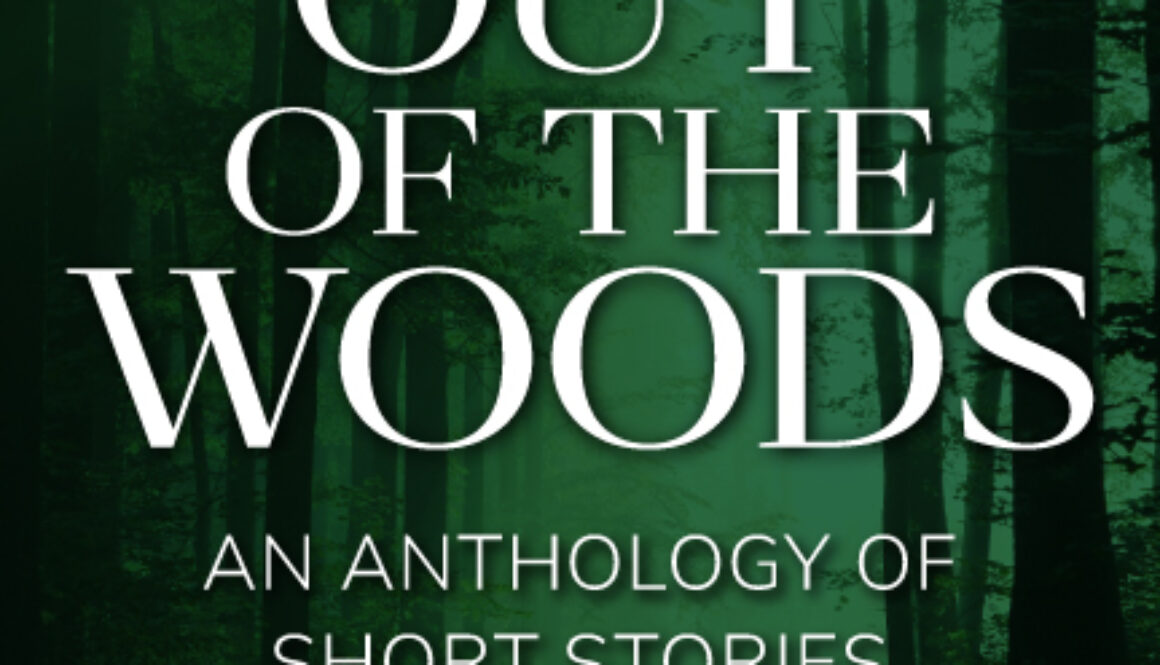
As the owner of her own creative company and with decades of experience, A-team member Brenda generously offered to design the cover. Her vision of a tree-green book with a forest backdrop was sent to the team. The anthology was grounded in meticulous care, art and beauty. Despite popular advice, this is one time when we would encourage you to judge the book by its cover.
The A-team launched into a flurry of media activity: articles were written for magazines and newspapers like the local Villagers, the Tillsonburg Post and the Middlesex Banner, and interviews were conducted on local radio stations and “What’s up, London?” (Please see our socials to read, listen, or watch.) Our timing worked out as, due to the political climate of 2025, the #ShopLocal movement was stronger than ever.
So strong in fact, that we had to change venue locations for our launch party due to the larger than expected number of RSVPs including LWS members, judges, sponsors, local dignitaries, media, and friends of the LWS. Donna researched a number of venues, and found that London’s Portuguese Hall would be the perfect fit due to the lovely space, accessible location, and delicious catering available. Our team who started off as a group of writers from different backgrounds, had become event planners! There was food to be ordered, décor to consider and, of course, everything hinged on budget.
Brenda placed the order for the tote bags, positioning the logos from our top-tier sponsors, choosing background colours and ensuring an on-time delivery. Another item off the “to-do” list! Anne worked in the background creating media release documents and sharing her experience querying bookstores and libraries where we would sell the anthology.
The trilliums had just bloomed when we received the exciting news that our Advanced Reading Copies (ARCs) had arrived. Brenda and Donna were the first to tear into theirs—they waited together for the UPS delivery to get that all-important social media snapshot—with Anne receiving hers at home, and me finding mine on the doorstep later in the day. I have a framed scroll in my writing room that says, A Book is a Dream you Hold in your Hand. The London Writers Society finally had the anthology that we had collectively dreamed about for years. Holding the ARC, I wanted to scream like Elle Woods when her class graduated from Harvard, “We did it!”
The committee worked with Chrissy Hobbs at Indie Publishing to review the ARC and, with only a few minor adjustments, we were ready to place the order for the June launch. We were all set.
And then, word came from our printer that they were busier than usual and printing was delayed. The A-team was left wondering, Would the anthology arrive on time?
To be continued…
Martha Morrison is honoured to have served as Chair of the Anthology Committee for the London Writers Society’s inaugural anthology project Out of the Woods. She holds a BSc in Biochemistry and an MFA in Creative Nonfiction writing. Her work has been published in various literary anthologies and she was shortlisted for the International Amy MacRae Award for Memoir. Her previous careers include flight attendant and professional ballroom dance instructor. Martha lives on a farm outside London with her family, dogs, cats and chickens. Most days, she gets up before the rooster (and the kids) to write in the quiet early mornings.
On December 15, 2024 the committee announced the 35 LWS authors whose work was chosen by Emma Donoghue to be included in the anthology Out of the Woods.
Emma’s selections were thoughtful and can be summed up in the blurb she provided for the back cover of the book: “Out of the Woods is a harvested banquet – the impressively varied fruits of new writing from London. Whether telling stories that are historical, futuristic, or urgently contemporary, in fiction, poetry or narrative non-fiction, these voices speak movingly about a wide range of lives.”
My poem The Rollercoaster had been selected! My other poem about Snowball and Quackers didn’t make the cut (yes, I re-read my favourite Stephen King Carrie rejection story) and then I celebrated, realizing that the promise I made to my grandmother to someday write poetry was coming true. Not only had I written poetry, I was about to become a published poet.
Brenda and Donna both had pieces selected too—poems inspired by our day with Penn Kemp. Donna had a fiction piece published as well, a genre that wasn’t normally her focus. And she had a piece rejected. (I let her read Stephen King’s rejection letter.)
We heard from many of the finalists about their excitement at being chosen for the anthology. Their enthusiasm made all the hard work behind-the-scenes worthwhile.
With the collection in hand, our next step was to send the document to our editor. A few months earlier, we had researched professional editors and had met a London-based editor whose nurturing but thorough style was a perfect fit for the anthology because we knew the authors would likely range from the ‘first-time-ever-published’ to seasoned writers. Our editor generously offered a discounted rate for a community project so Donna, our money-tracker, gave that a thumbs up.
During the editing process, our editor announced to us that she had transitioned and would be using new pronouns and a new name, Heather Godden. I share this information now, as we did with the Out of the Woods authors, just in case you read past anthology communiqués and wonder why the name changed between the announcement of our editor and the acknowledgements in the book. We are honoured that Heather felt comfortable to share her truth with us.
For some writers, this was their very first experience with professional editing. The anthology team served as the liaison between editor and author to help with the process, ensure content moved back and forth for those requiring more than one set of revisions, and to make sure we stayed on budget. We also assisted folks who had never worked with “tracked changes” in Word. Heather emailed back and forth with the anthology authors until each piece was polished and typo-free. She then carefully and considerately selected the order of appearance in the anthology until we had our final approved document.
Many enjoyed Heather’s thoughtful and generous editing style so much, they hired her for other projects. (Check out goddeneditorial.com if you’re looking for a great local editor!)
We sent the finished manuscript to award-winning author and friend of the LWS, Terry Fallis. This author who has twice won the Stephen Leacock Medal for Humour and has nine national bestsellers to his name (soon to be 10 as his latest novel, The Marionette, is forthcoming in October, 2025) volunteered to take time out of his packed schedule to write the foreword for the anthology. If you haven’t yet purchased your copy, you might consider doing so to read his moving words on the writing process and the importance of local art.
Terry also helped us connect with celebrated Canadian icon, Douglas Gibson (of McClelland & Stewart fame), to read the anthology and provide a blurb for the back cover. What an honour to have Douglas Gibson, a man who edited work for the Who’s Who of Canadian authors, cast his eyes on our anthology.
Behind all this excitement, committee Zoom meetings were ongoing and emails were still flying between the A-team. There were author bios to organize, cover art to finalize, an introduction to write, and newsletters to prepare to keep our members up-to-date on the progress.
We had researched many publishers, but one stood out for both professionalism and quality, and that was Indie Publishing Group, owned by LWS member, Chrissy Hobbs. Chrissy splits her time between London, Ontario and Tasmania, Australia, so finding Zoom times wasn’t always easy, but Chrissy’s easy-going personality and dedication to detail made the process not only seamless, but fun. Plus, those Tasmanian landscape backgrounds on Zoom were incredible! When she noticed the four of us glancing over at her window, Chrissy would tilt her screen and let us have a glimpse of her world down under.
Chrissy also talked to us about sales, specifically pre-orders. We would have to do a lot of promotion in order to meet our goals. Now that we had the finalized document, we needed to start selling books!
To be continued…
Martha Morrison is honoured to have served as Chair of the Anthology Committee for the London Writers Society’s inaugural anthology project Out of the Woods. She holds a BSc in Biochemistry and an MFA in Creative Nonfiction writing. Her work has been published in various literary anthologies and she was shortlisted for the International Amy MacRae Award for Memoir. Her previous careers include flight attendant and professional ballroom dance instructor. Martha lives on a farm outside London with her family, dogs, cats and chickens. Most days, she gets up before the rooster (and the kids) to write in the quiet early mornings.
The submissions started rolling in! What a thrill it was to hear that the numbers were increasing each day. With each submission, we knew another brave member had polished their work and made the courageous decision to hit “submit” for a chance to be published in the anthology. I submitted two very different poems: The Rollercoaster explores the emotional ride we experience when a loved one faces cancer; and Barnyard Duet depicts a humorous incident involving my goofy goldendoodle and an unwanted duckling named Quackers.
And so, with everything ticking along nicely, the anthology committee (with lattés in hand) sat back, put our feet on our desks and relaxed.
Just kidding! There was way too much work to be done to enjoy more than a momentary virtual clink of glasses. This was confirmed as I researched past emails in order to write this blog. There were thousands of communications between the A-Team members as we worked furiously behind-the-scenes to research publishing options, figure out promotional opportunities, find an editor and finance the project. While the London Arts Council grant had covered a large part of our expenses, it wouldn’t cover everything. We decided to seek out sponsors from community members. Brenda’s years of expertise with corporate sponsorship served in creating levels of support and incentives such as being mentioned in the anthology, thanked on the website and social media channels and, for some levels, logos added to the tote bags.
From family members to local businesses to friends of the LWS, we were humbled by the amount of support we received. Brenda coined the term “Literary Champion” because that’s what each sponsor was to the anthology project. It cannot be overstated the gratitude we felt, and continue to feel, toward the sponsors who made this project possible.
When the portal closed at midnight on October 15, 2024 and submissions were no longer being accepted, an image of a closed door with a huge padlock appeared on our socials. The anonymous entries were sorted by category and sent to our panel of First Reader judges.
We provided our First Reader judges with a scoring rubric (generously provided by Mirror World Publishing) to ensure that they were reviewing each entry consistently. Based on the judges’ final scores, the top percentage in each category formed the longlist. The judges had a month to review the submissions. And so, we waited.
On November 15, 2024, it was a thrill to announce the longlist. But as in any contest, there will be those who do not advance to the next round. The anthology committee received some emails and in-person conversations about the disappointment of not being chosen. As we faced these conversations, the words of one of my writing teachers, Alison Wearing, came to me: “Rather than taking rejection as evidence that you are not a writer, it’s also possible to take it as evidence that you are.”
The truth of the writing life is that there’s a lot of rejection involved. While I know this personally, I also keep a list of famous rejectees near my laptop: J.K. Rowling, Beatrix Potter, Agatha Christie, George Orwell, Stephen King. A favourite story is that after King’s debut novel was rejected more than 30 times, he threw it in the trash, only to have his wife retrieve it and encourage him to try again. A few years later, Carrie was published and became a bestseller and major motion picture.
The longlist entries were passed on to Emma Donoghue who would curate the shortlist which would become the anthology Out of the Woods. An agonizingly long month stretched out ahead of us as we waited for word from Emma with the results.
To be continued…
Martha Morrison is honoured to have served as Chair of the Anthology Committee for the London Writers Society’s inaugural anthology project Out of the Woods. She holds a BSc in Biochemistry and an MFA in Creative Nonfiction writing. Her work has been published in various literary anthologies and she was shortlisted for the International Amy MacRae Award for Memoir. Her previous careers include flight attendant and professional ballroom dance instructor. Martha lives on a farm outside London with her family, dogs, cats and chickens. Most days, she gets up before the rooster (and the kids) to write in the quiet early mornings.

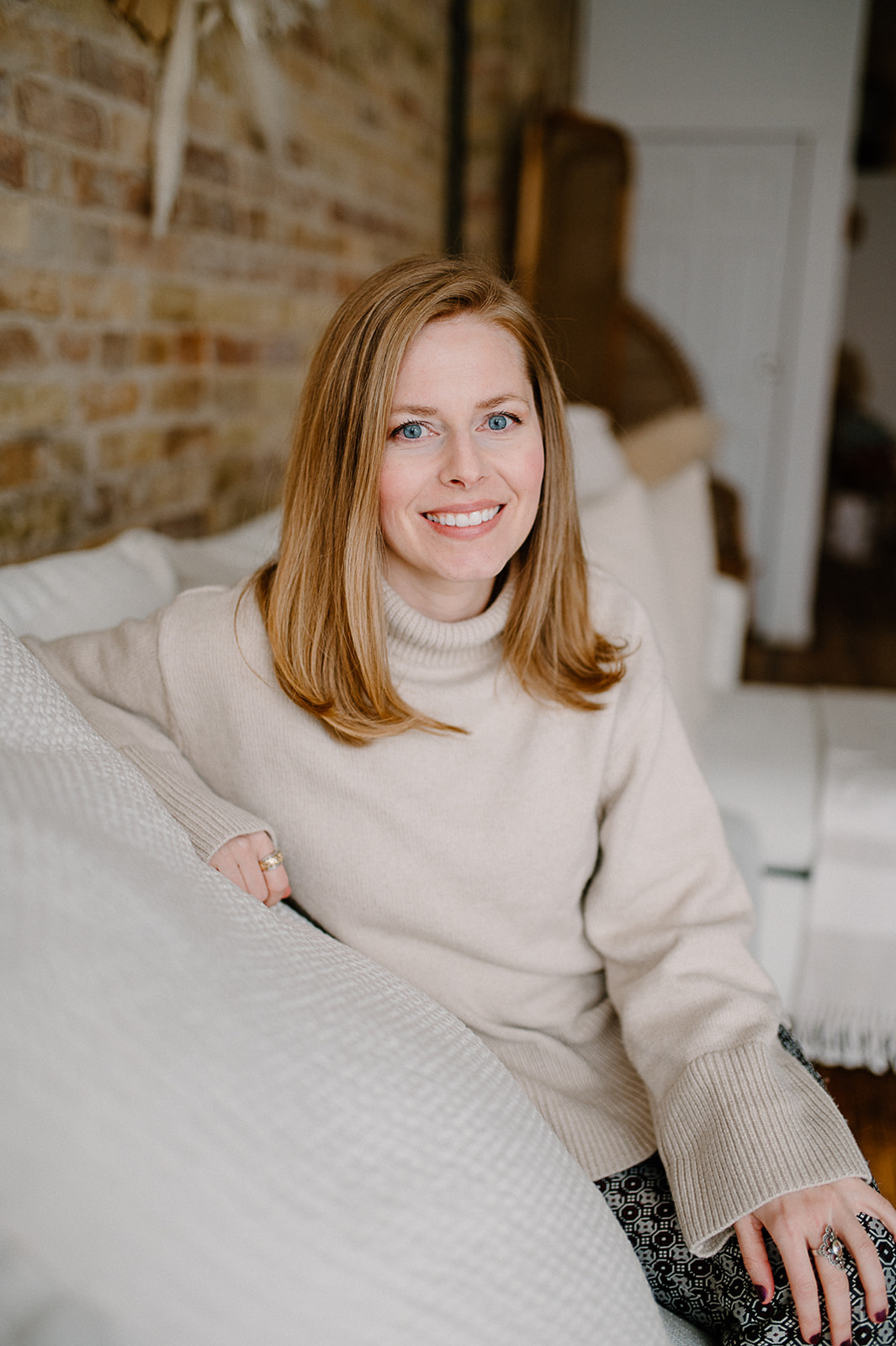 Krista Carson writes poetry, creative nonfiction, and fiction. She is completing doctoral studies at the University of Gloucestershire, where she explores the role of walking in creative writing practice. Krista teaches at the college level and lives in London, Ontario with her husband, daughter, whippet, and cat.
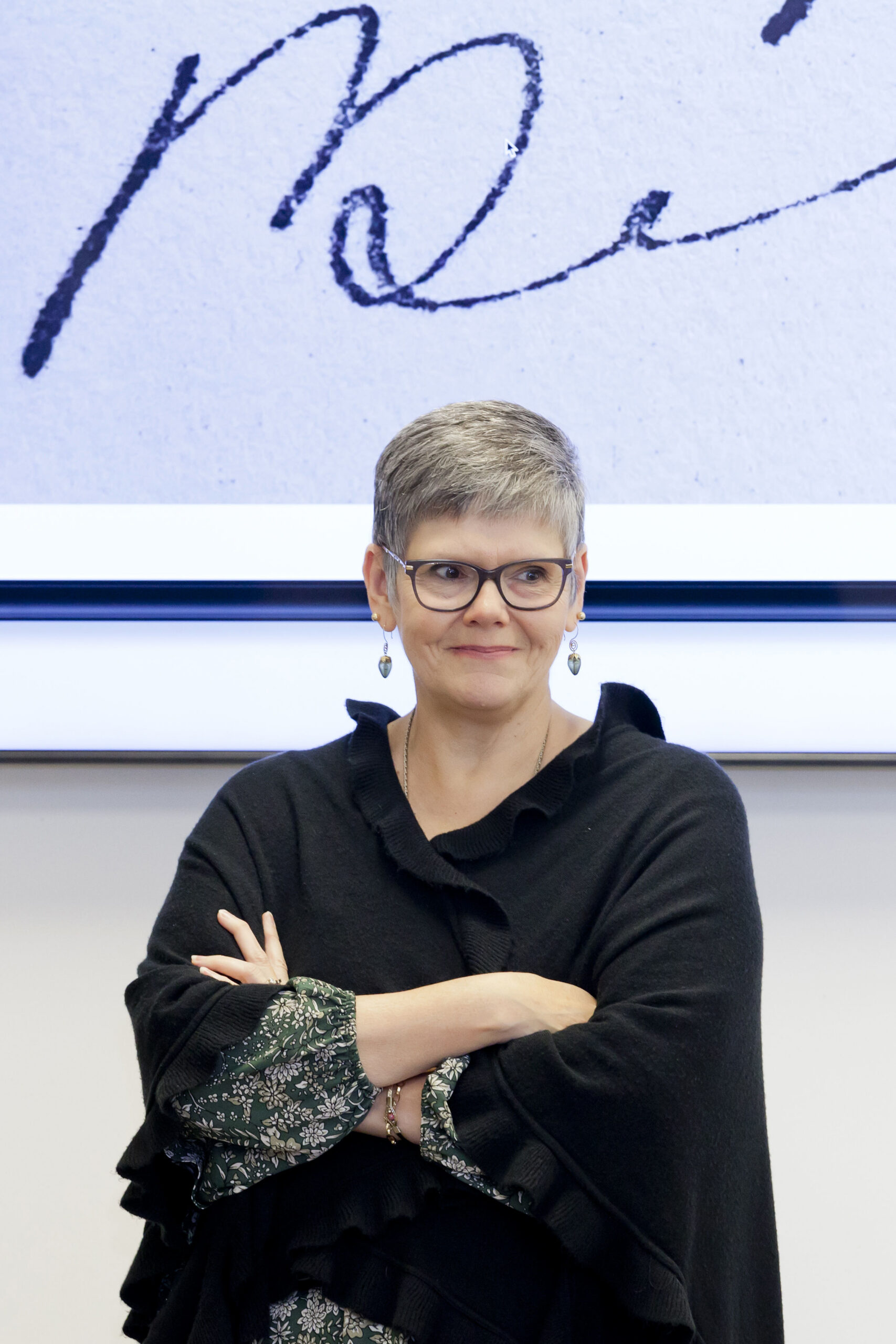



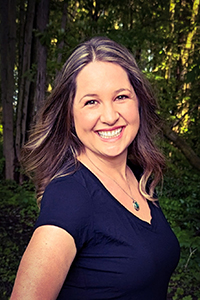 Martha Morrison is honoured to have served as Chair of the Anthology Committee for the London Writers Society’s inaugural anthology project Out of the Woods. She holds a BSc in Biochemistry and an MFA in Creative Nonfiction writing. Her work has been published in various literary anthologies and she was shortlisted for the International Amy MacRae Award for Memoir. Her previous careers include flight attendant and professional ballroom dance instructor. Martha lives on a farm outside London with her family, dogs, cats and chickens. Most days, she gets up before the rooster (and the kids) to write in the quiet early mornings.